Physical Address
304 North Cardinal St.
Dorchester Center, MA 02124
Physical Address
304 North Cardinal St.
Dorchester Center, MA 02124

Find Gear. Build Dreams. Game On.
Find Gear. Build Dreams. Game On.
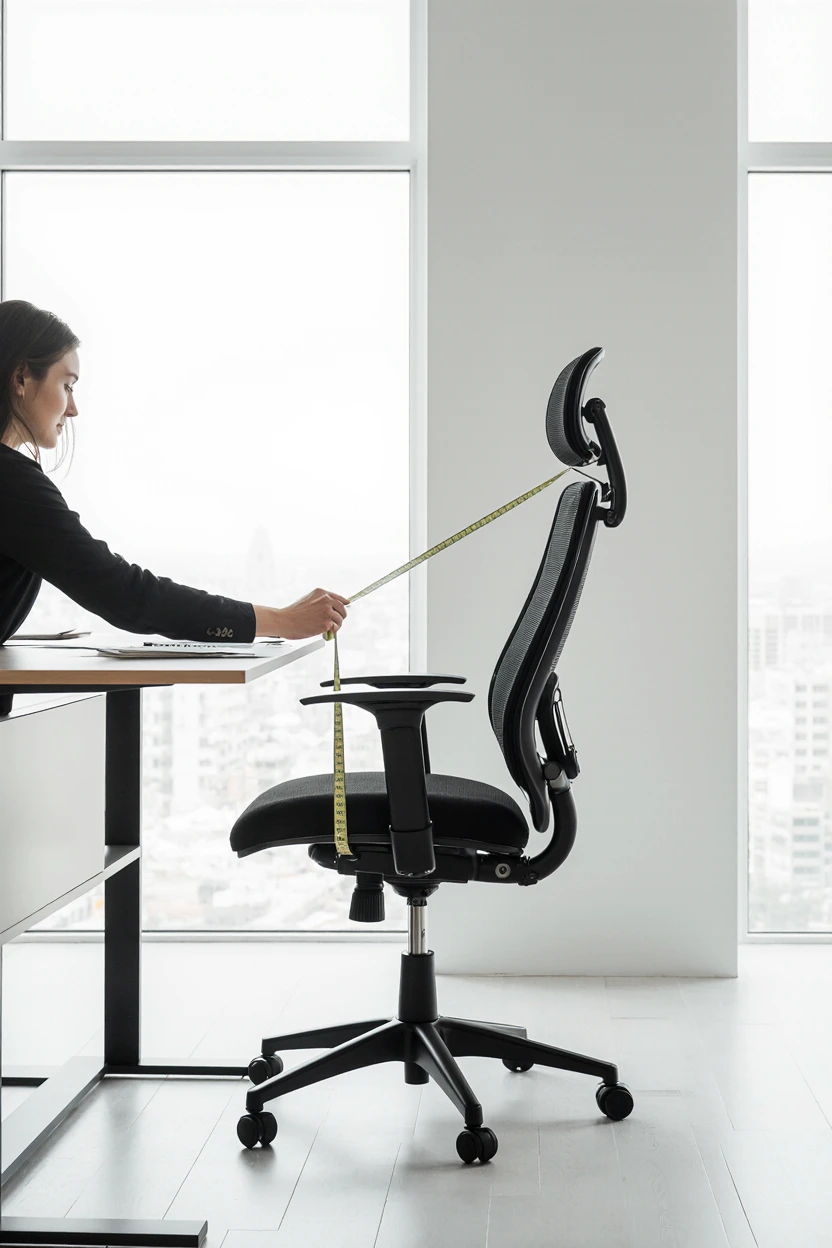
Your desk height should allow you to keep your arms, wrists, and hands in a neutral position while you work, with your elbows bent at a 90-degree angle and your desk at elbow height. The ideal measurement ranges from 28-30 inches for most people, but varies based on your height and body proportions.
Whatever your work-from-home situation or office setup, here are some easy tips anyone can use to determine their perfect desk height. For more in-depth details, refer to our comprehensive measurement guide below. It’s not surprising that many people struggle with desk height because standard desk height is adequate for rather tall people, around 6 ft, leaving shorter individuals uncomfortable.
The key to measuring your ideal desk height lies in understanding your body’s natural positioning and ergonomic requirements. Your workspace should promote proper posture, reduce strain, and enhance productivity throughout your workday.
Before starting, we’ve got some other related setup articles about workspace optimization, take a look:
At MadaraDigital, we believe that the perfect workspace starts with proper ergonomics. Your desk height affects everything from your typing comfort to your monitor positioning, making it one of the most crucial elements of your setup. When you get your desk height right, everything else falls into place naturally.
The standard desk height is 29.5 inches, designed to accommodate most people and ensure correct posture while working or studying. However, this one-size-fits-all approach creates problems for many users.
The standard office desk height is typically between 28 and 30 inches tall; however, this measurement doesn’t account for individual body proportions, arm length, or personal sitting preferences. Many people experience neck strain, shoulder tension, and wrist discomfort because their desk height doesn’t match their body’s natural positioning.
The problem with standard heights becomes apparent when you consider that people range from 5’0″ to 6’8″ in height. A desk that works perfectly for someone who’s 5’10” will be too high for someone who’s 5’2″ and too low for someone who’s 6’4″.
The most straightforward approach to finding your ideal desk height involves a simple calculation based on your height. Find your height wearing the footwear you’ll be wearing at the desk in inches. Divide your height in inches by 2. Subtract 8.5 inches from the result to find your minimum desk height, and subtract 6 inches to get your maximum desk height.
Here’s the step-by-step process:
Step 1: Measure your height in inches while wearing your typical work shoes. Step 2: Divide that number by 2. Step 3: Subtract 8.5 inches for your minimum desk height. Step 4: Subtract 6 inches from step 2 for your maximum desk height
For example, if you’re 68 inches tall (5’8″):
This gives you a range to work within, allowing for personal preference and different tasks.
The elbow method provides the most personalized approach to determining your ideal desk height. This technique considers your actual body proportions rather than relying on general formulas.
How to perform the elbow method:
Your desk height should allow you to keep your arms, wrists, and hands in a neutral position while you work, with your elbows bent at a 90-degree angle and your desk at elbow height. This positioning ensures that your shoulders remain relaxed and your wrists stay straight while typing.
For computer work, your desk height should accommodate both your keyboard and mouse comfortably. Ergonomic desk height is measured by the distance from the top of your keyboard, or workstation area, to about 2-4 inches below your knees when sitting down.
Your keyboard should be positioned so that:
For writing tasks, you may prefer a slightly higher desk height than for computer work. This allows you to write comfortably without hunching over your papers. The ideal height should let you maintain good posture while your writing hand moves freely across the page.
Artists and designers often need adjustable desk heights to accommodate different projects. Drawing requires different positioning than digital design work, and your desk height should be flexible enough to support both activities.
Your knees should be at a 90-125-degree angle, with your weight evenly distributed, your thighs parallel to the floor, and your feet firmly supported. This positioning works in conjunction with your desk height to create an ergonomically sound workspace.
Key ergonomic principles include:
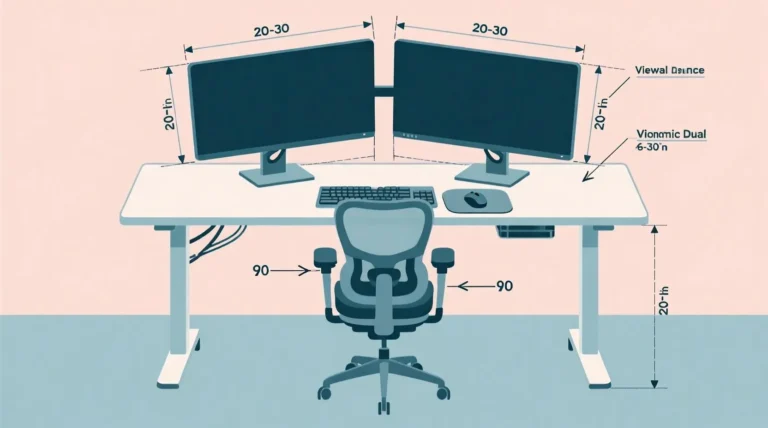
Looking straight, your eye height should ensure that you are looking at the top third of the screen. Your monitor should be tilted slightly to an angle of 10-20°. Proper monitor height works together with your desk height to prevent neck strain and eye fatigue.
The monitor should be placed so that your eyes are on the top quarter of the monitor and 1 arm’s length (± 1 hand’s length) away. This positioning reduces the need to crane your neck up or down while working.
When transitioning to a standing desk, your ideal height will be different from sitting. For standing work, your desk should be at elbow height when your arms hang naturally at your sides with your elbows bent at 90 degrees.
Standing desk heights typically range from 35-47 inches, depending on your height. The ability to alternate between sitting and standing throughout the day can significantly improve your comfort and health.
When switching between sitting and standing positions, allow your body time to adjust. Start with 15-30 minute intervals of standing and gradually increase as your body adapts to the new positioning.
If your current desk doesn’t match your ideal height, consider these solutions:
For Desks That Are Too High:
For Desks That Are Too Low:
Your desk height and chair height work together as a system. Adjusting one without considering the other can create new ergonomic problems. Always evaluate both components together.
Standard desk height is adequate for rather tall people — around 6 ft, but this doesn’t work for everyone. Don’t assume that standard measurements will work for your unique body proportions.
The shoes you wear while working can affect your ideal desk height by 1-2 inches. Always measure while wearing your typical work footwear to get accurate results.
If you perform various tasks at your desk (typing, writing, drawing), you may need different heights for optimal comfort. Consider a height that works best for your most frequent activities.
Electric standing desks offer the ultimate flexibility for achieving your ideal desk height. These desks can quickly adjust between sitting and standing positions, accommodating different users and tasks throughout the day.
Popular features include:
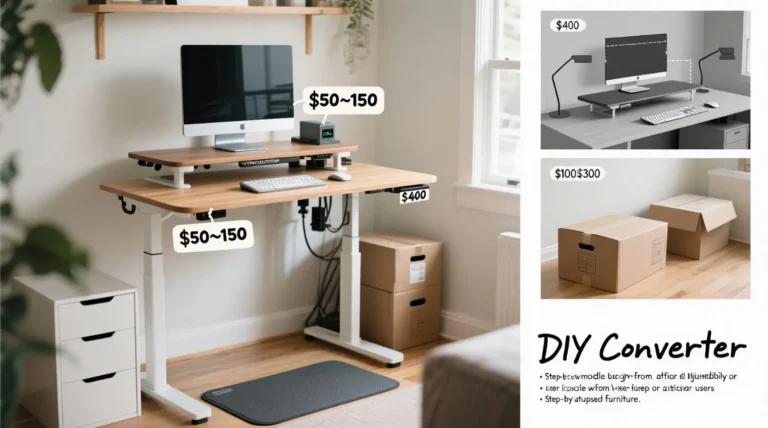
For budget-conscious users, manual adjustment options include:
If you’re under 5’4″, standard desk heights will likely be too high. For most people, a desk height of approximately 73 to 76 centimeters is ideal, but shorter individuals typically need desks in the 26-28 inch range.
Solutions for shorter users:
Taller individuals (over 6’2″) often struggle with standard desk heights being too low. This can lead to hunching over and back strain.
Solutions for taller users:
Proper desk height can significantly impact your physical well-being:
Reduced Musculoskeletal Problems:
Better Circulation:
The right desk height can also boost your work performance:
Increased Comfort:
Enhanced Focus:
Once you’ve calculated your ideal desk height, spend at least a week testing the new position. Your body needs time to adjust to ergonomic changes, and what feels comfortable initially may need refinement.
You’ll know you’ve found the right desk height when:
Watch for these indicators that your desk height needs adjustment:
Finding your ideal desk height is a crucial step in creating a comfortable, productive workspace that supports your long-term health. While the standard desk height is 29.5 inches, designed to accommodate most people, the reality is that everyone’s body is different and requires personalized adjustments.
The measurement techniques outlined in this guide—from the simple formula method to the more precise elbow method—give you the tools to determine your perfect desk height. Remember that your desk height should allow you to keep your arms, wrists, and hands in a neutral position while you work, creating a foundation for comfortable, productive work sessions.
Don’t underestimate the impact that proper desk height can have on your daily comfort and long-term health. Whether you’re working from home, in a traditional office, or a creative studio, taking the time to measure and adjust your desk height properly will pay dividends in reduced discomfort, increased productivity, and better overall well-being.
Take action today by measuring your current setup and making the necessary adjustments. Your body will thank you for the investment in proper ergonomics, and you’ll likely find that work becomes more comfortable and enjoyable when your workspace is properly configured for your unique needs.
Q: What is the standard desk height, and why doesn’t it work for everyone? A: The standard desk height is 29.5 inches, designed to accommodate most people and ensure correct posture while working or studying. However, this doesn’t work for everyone because people have different heights, arm lengths, and body proportions. Standard desk height is adequate for rather tall people, around 6 ft, leaving many users uncomfortable.
Q: How do I calculate my ideal desk height using my body measurements? A: The most accurate method is the elbow technique: sit in your chair with feet flat on the floor, let your arms hang naturally, bend your elbows to 90 degrees, and measure from the floor to your elbow height. This measurement is your ideal desk height for comfortable typing and computer work.
Q: Should my desk height be different for standing versus sitting? A: Yes, standing desk heights are typically 6-8 inches higher than sitting desk heights. For standing work, your desk should be at elbow height when your arms hang naturally at your sides with elbows bent at 90 degrees. Most standing desks range from 35-47 inches in height.
Q: What are the signs that my desk height is incorrect? A: Warning signs include shoulder or neck tension, wrist pain or numbness, frequent position changes due to discomfort, and eye strain from looking up or down at your monitor. Your knees should be at a 90-125-degree angle, with your weight evenly distributed, your thighs parallel to the floor, and your feet firmly supported.
Q: Can I adjust my current desk if it’s not the right height? A: Yes, there are several solutions: for desks that are too high, use an adjustable keyboard tray, footrest, or lower your chair; for desks that are too low, try desk risers, adjustable legs, or a higher chair with proper support. Adjustable standing desks offer the most flexibility for achieving the perfect height.
What’s your biggest challenge when it comes to finding the perfect desk setup? Let us know, and we might feature your question in our next ergonomics guide.